



Extremely Northern Curlew Specimen
Also known as Eskimo curlew, it is a medium-sized wading bird belonging to the curlew family of plovers. It has been widely distributed in North America, migrating to the Arctic in summer and to the Pembas steppe of Argentina in South America in winter. It feeds on insects such as grasshoppers and grasshopper eggs. The appearance is similar to other curlew, but the lower body has no markings and is smaller. In the migration will form a large group, with significant migration habits. Hunted on a large scale at the end of the 19th century, the wild extreme northern curlew is considered extinct since the 20th century. Over the past decade, there are still small feeder populations living in Canada and the United States that are classified as endangered.

Tuna model 3D animation
It is a type of oceanic important commodity food fish distributed in tropical and subtropical waters around the world, belonging to the order Perciformes, family Scombridae, and class Actinopterygii. Known for its streamlined body, fast swimming ability, and rich nutritional value. It is a carnivorous fish that feeds on small fish, crustaceans, and other marine organisms. It has extremely high commercial value and is a high priced commodity in the global seafood market, commonly used for making sushi, sashimi, and other seafood dishes. The meat is delicious and rich in protein, healthy fats such as omega-3 fatty acids, as well as various vitamins and minerals. Due to overfishing, it has been listed as an endangered species by the International Union for Conservation of Nature.

Javanese Rhinoceros Specimen
The Javan rhinoceros is a mammal of the Rhinoceros genus in the Rhinoceros family, also known as the small unicorn rhinoceros. Strong and robust physique. The skin is mostly brown black, gray black, and has wart like protrusions. Except for obvious hair on the tips and tails of the ears, the rest of the body is almost hairless. The average weight is around 1500 kilograms. The body length is 2-3.5 meters, and the shoulder height is about 1.5 meters. The ears are oval in shape, with a thick and long head and a short and thick neck. The upper part of the nose has a low solid horn, which is usually not prominent in adult females. Its horn is smaller than that of the Indian rhinoceros, hence it is also known as the small unicorn rhinoceros. The lifespan is around 40 years. The Javan rhinoceros is the smallest of the five existing rhinoceros species, with less than 100 individuals, and is on the brink of extinction in the wild.

Jaguar cat (with 3D animated model)
It is a small wild feline. Famous for its beautiful fur and nocturnal lifestyle, the fur has unique spots and stripes. The body size is slightly larger than that of domestic cats, with a length of about 70 to 90 centimeters, a shoulder height of about 45 centimeters, and a weight between 11 and 16 kilograms. The eyes are large and round, with excellent night vision ability, and there is often a white spot on the ears. Mainly distributed in lowland areas of Central and South America, but not uncommon in suitable habitats. He is a solitary hunter who feeds on small mammals, birds, reptiles, and insects.

Big Grizzly Bear
The grizzly bear, also known as Ursus horribilis, is classified as a subspecies of brown bear (also known as Ursus arctoshorribilis) and is the largest bear species after polar bears and Kodiak brown bears. Generally, adult grizzly bears are about 2.5 meters long and weigh 450 kilograms, with larger ones even weighing up to 700 kilograms. The male bear has a shoulder height of about 1.3 meters when crawling and a height of about 2.7 meters when standing. Grizzlies are an important "indigenous" species in North America and one of the most representative animals in the western United States and Alaska. National protection level 2.
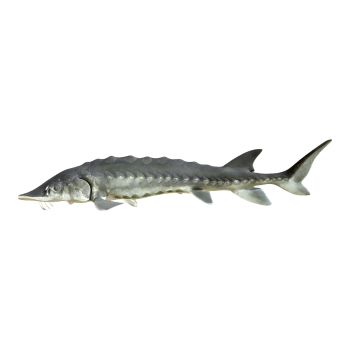
Atlantic sturgeon
The Atlantic sturgeon (scientific name: Acipenser oxyrinchus) is a fish species of the sturgeon family and genus. The Atlantic sturgeon can weigh up to 300 kilograms and is 60 years old. It is also common to find individuals 4.3-5.3 meters long. Young Atlantic sturgeons generally inhabit their "mother river" and then migrate to the ocean over time.. Young sturgeons mainly inhabit freshwater rivers and feed on aquatic animals and plants. Adult sturgeons are also omnivorous, but parent sturgeons stop feeding during their spawning migration. Postpartum adult sturgeons mainly feed on gastropods and other benthic organisms in freshwater. The Atlantic sturgeon is distributed along the east coast of the Atlantic Ocean in North America.

Popular Models
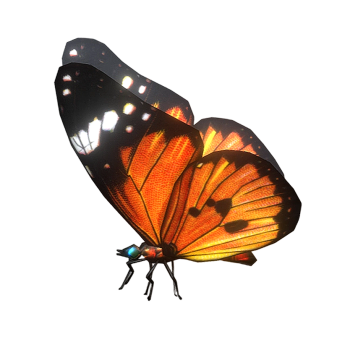
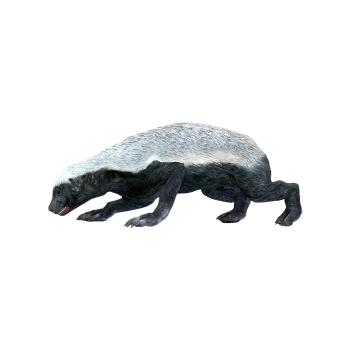
Honey Badger (3D animated model)
192 View
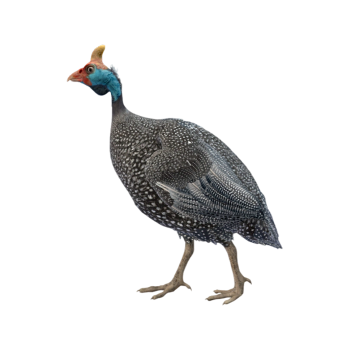
Guinea fowl (3D animated model)
163 View
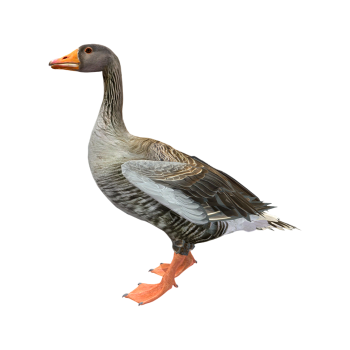
Wild Goose (3D animated model)
185 View
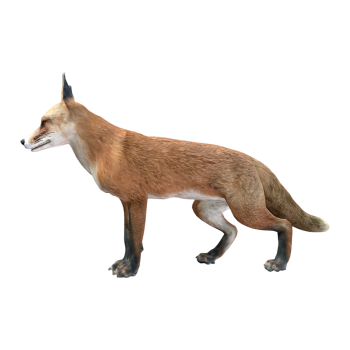
Red Fox (3D animated model)
153 View
Random Model

Exquisite sofa
525 View


Japanese Sashimi Platter
746 View


Vietnamese long neck medaka specimen
702 View

Nike AIR MAX 270 sneaker
631 View

Chain Cat Shark Specimen
512 View

Building block toy
162 View
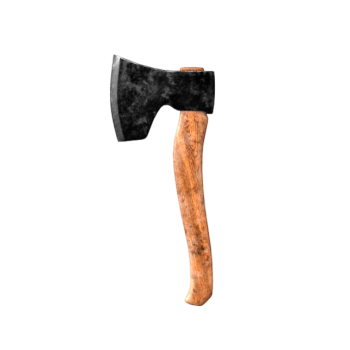
Realistic Axe
509 View
